What Is a Multi-Split System?
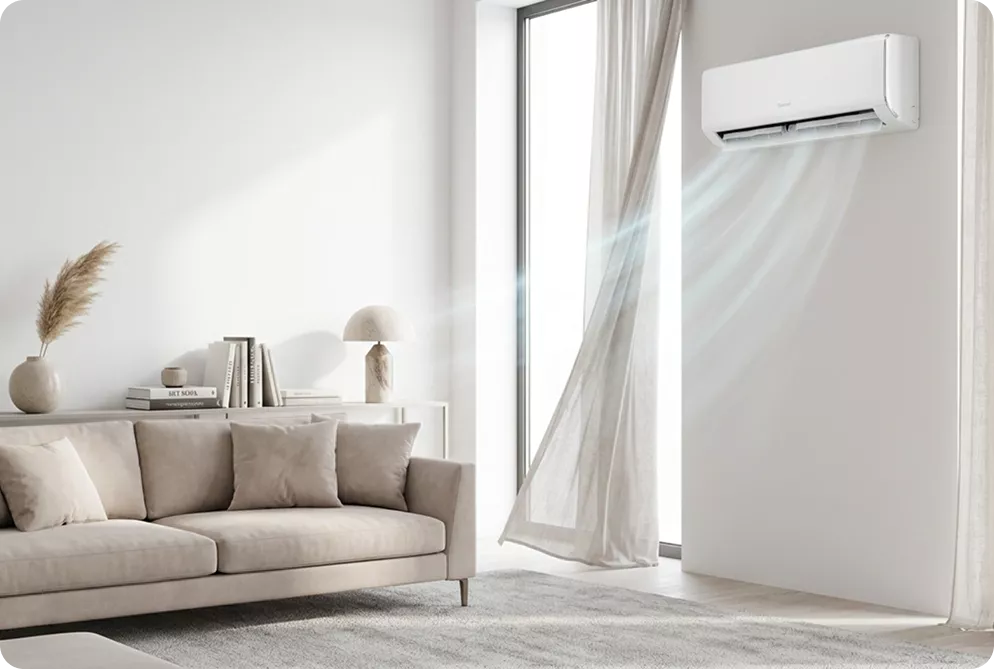
The most common type of air conditioner is the split system, consisting of one outdoor unit (placed outside the premises) and one indoor unit (located inside the building). They are connected by electrical cables, a refrigerant line, and a drain pipe.
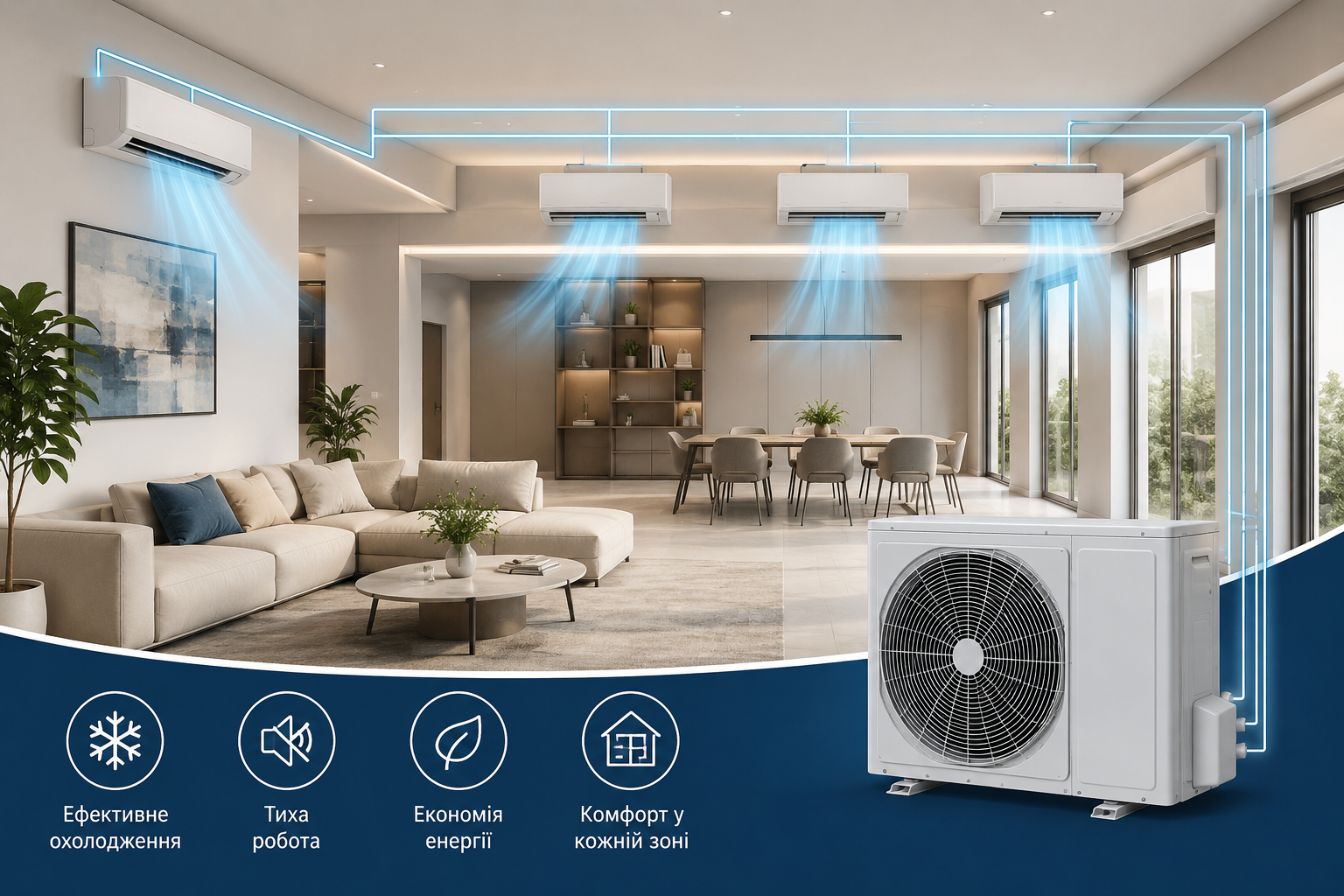
A multi-split system is an evolved version of this layout. There is one outdoor unit — but several indoor units at once.
For ease of understanding, Sensei experts suggest seeing the difference through a simple comparison: in a split system, the outdoor unit can be pictured as a single wall outlet with one electrical appliance plugged in. A multi-split system, then, is an extension cord or power strip capable of running several devices at the same time. With it, a comfortable indoor climate is maintained in every room.
Advantages
Setting up a multi-split system costs roughly the same as buying an equal number of conventional air conditioners. So where are the upsides? Sensei experts have put together 5 compelling arguments.
1. Preserving the integrity of the facade.
Several plain rectangular boxes scattered unevenly across a wall will ruin even the most brilliant architectural concept. A single neat unit, whose location can be chosen deliberately, does far less harm to the aesthetics.
2. Cost efficiency.
A networked combination of electrical equipment consumes less energy. Utility bills will go down.
3. Easier approval from municipal authorities.
Many cities have local regulations that prohibit altering a building's appearance. The issue becomes especially acute if you are located within the historic center of a city. Getting permission to mount a single housing, rather than a whole cluster, will be far simpler.
4. Low noise level.
The operation of a single compressor will not cause serious discomfort. In some cases, the outdoor unit can be moved to a section of the facade adjacent to utility rooms and bathrooms. Then the compressor noise will not reach the ears of the people inside the building at all.
5. Not much free space required.
Balconies, windows, decorative elements — all of these occupy the facade, leaving no room for installation. But a spot for a single unit can almost always be found.
Range of Specifications and Capabilities
When selecting a climate-control package, you should start from:
- The floor area of the rooms. The lineup includes configurations starting at 4 kW, which is enough to reliably cover 40 m². Nor is there any problem finding true powerhouses capable of cooling the air in vast complexes.
- The number and type of indoor units to be installed (ducted, cassette). Professional involvement is essential here: they will select the right number of mutually compatible units of the required capacity.
- The length of the refrigerant line. Once again — there's no getting by without the pros. The permissible pipe run is calculated based on the compressor's parameters.
Limitations
Every technology has its drawbacks. For multi-split systems, these are:
- A limit on refrigerant line length. The maximum is 15 meters. Running the line any farther while preserving functionality is not possible.
- A limited number of indoor units. No more than 10 (found in advanced setups).
- The system does not provide ventilation. It brings no fresh outside air into the building.
- A shared operating mode. Setting individual controls per room is impossible with a classic multi-split system: the setup will run either in cooling mode or in heating mode.